Climate realities in Hawaii
Hawaii’s warm, humid climate creates conditions where mold and microbial growth can emerge more readily. High humidity and seasonal rains can lead to damp indoor environments. A steady routine of inspection and cleaning helps reduce the risk. Across Hawaii, proactive steps from homeowners make a big difference in preserving indoor air quality and reducing the likelihood of contamination spreading from one area to another.
Seasonal prevention steps
Start with moisture control: fix leaks promptly, run exhaust fans in bathrooms and kitchens, and use dehumidifiers in moist spaces. Check for condensation on windows and wall surfaces after rainstorms. Maintain proper ventilation to keep air moving and prevent stagnant areas where contaminants can linger.
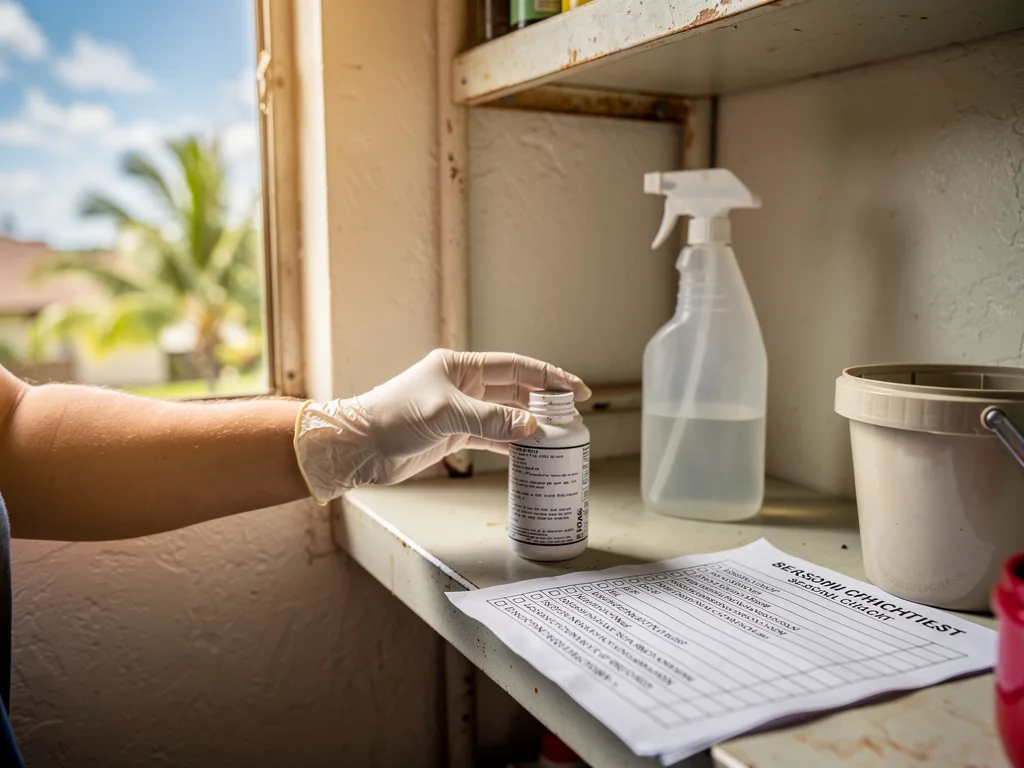
Regular inspections are worth it. A simple monthly walk-through helps you spot stains, odors, or dampness early. If you notice a musty smell, a visible stain, or unusual humidity levels, contact a biohazard remediation technician for an assessment. Early intervention saves time and reduces the scope of cleanup later.
What Hawaii Biohazard Cleanup Group recommends
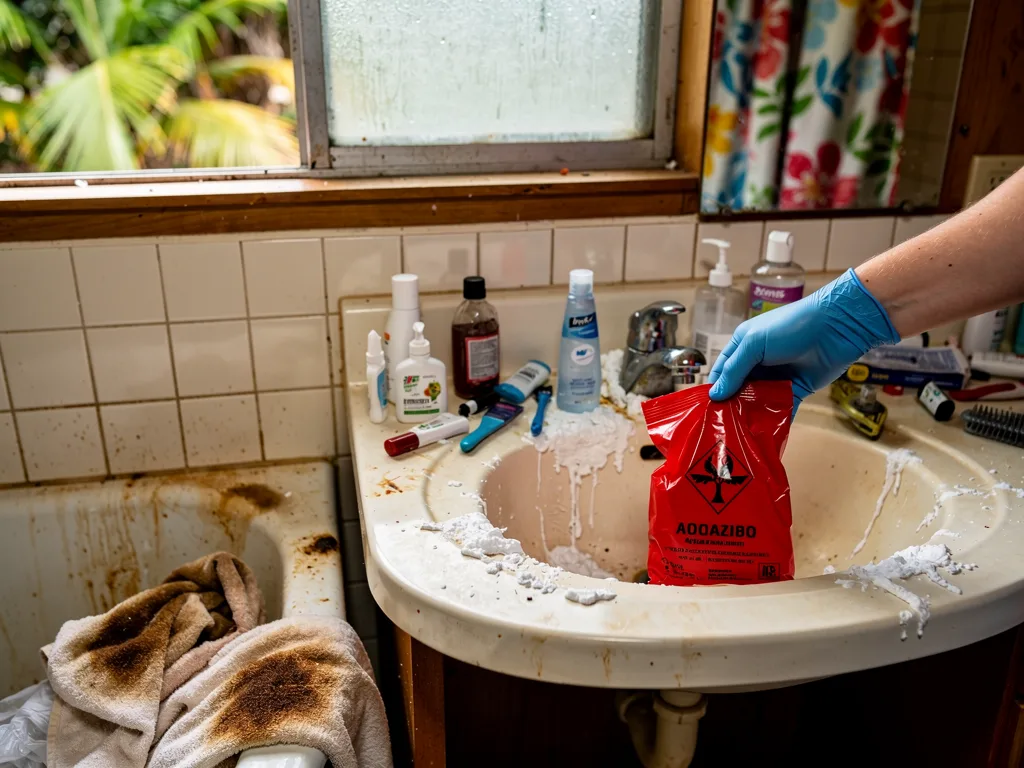
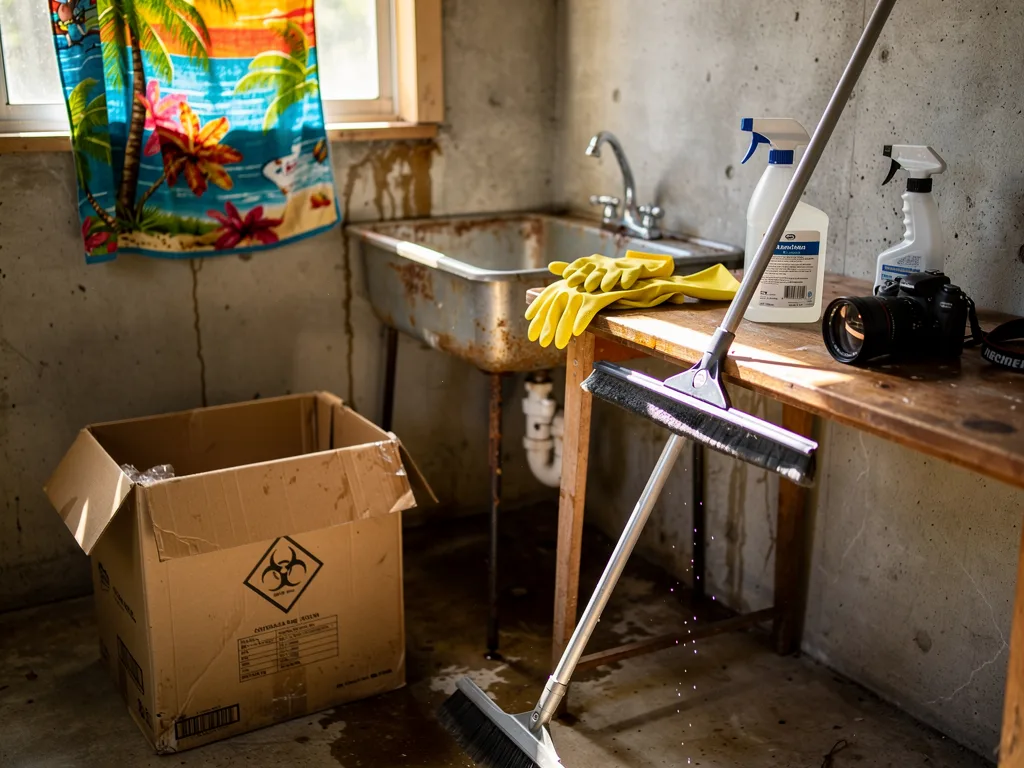
Keep a small kit handy for quick responses: disposable gloves, a mask, disposable wipes, and a sealable bag for questionable items. If you suspect contamination after any incident, schedule a professional assessment rather than attempting a full cleanup yourself. Our crews in every Hawaii metro are equipped to handle seasonal challenges and to guide you through safe, state-wide cleanup strategies.
During the year, plan preventive checks for water-damaged areas, attics, basements, and crawl spaces where humidity can hide. A proactive approach helps keep your home safer for Hawaii families and reduces the risk of broader contamination events.